TODAY'S STEALS AND DEALS - EXCHANGE RATE EQUALIZER
FOR CANADIAN GOLFERS -
SAVE 20% ON ALL 2026 & 2027 GOLF SCHOOL VACATIONS!

TODAY'S STEALS AND DEALS - EXCHANGE RATE EQUALIZER
FOR CANADIAN GOLFERS -
SAVE 20% ON ALL 2026 & 2027 GOLF SCHOOL VACATIONS!
California stands as a strong center for golf learning. The state offers steady sunshine and access to varied courses. These factors support consistent practice. Many families value programs that blend skill building with personal growth. Golf training here focuses on form rhythm and confidence. Students train across seasons without long breaks. This consistency helps players improve faster. The learning approach stays practical and focused. Coaches stress fundamentals and steady progress.
Players gain a clear sense of their strengths. They also learn where they need work. Golf schools in California attract students who want structure and freedom together. The environment supports discipline without pressure. Young players feel motivated to stay engaged. The setting helps them enjoy the sport while improving each day.
Weather plays a big role in player development. California offers mild conditions through most of the year. Rain rarely stops training for long periods. Players spend more time on the course and less time indoors. This allows real play situations to guide learning. Courses range from coastal layouts to inland greens. Each setting teaches a different skill. Wind management slope reading and turf response vary widely.
Students learn to adjust quickly. This builds adaptability and mental strength. Practice rounds feel fresh and challenging. Coaches use course diversity to teach strategy. Players learn shot selection and pace control. Regular exposure to full courses builds comfort. Tournaments feel less intimidating later. This steady access supports growth without long pauses.
Coaching quality defines any strong program. California draws experienced instructors from many backgrounds. Some bring tour experience. Others focus on youth training and development. This mix helps players receive balanced guidance. Lessons stress basics like grip stance and alignment. Coaches also cover advanced topics as skills grow. Video analysis helps players see progress clearly. Feedback stays direct and easy to apply. Coaches keep sessions focused and engaging.
They encourage questions and self awareness. This approach builds trust between student and coach. Group sessions support teamwork and peer learning. One on one lessons address personal needs. Training plans adjust as players improve. Golf schools in California often stress steady improvement rather than quick fixes. This helps students build lasting habits.
Strong programs value education alongside sport. Students follow structured academic schedules. This balance helps families feel confident. Time management becomes a key lesson. Players learn to plan their days with care. Study periods support focus and discipline. Golf sessions reward effort and consistency. This mix prepares students for future demands. Academic support ensures no area falls behind.
Teachers and coaches often coordinate schedules. This reduces stress and builds routine. Students learn responsibility early. They also gain confidence in managing goals. A balanced structure supports long term success. It allows players to chase golf goals without losing academic footing.
Many students train with future goals in mind. College golf remains a popular aim. Coaches guide players through skill benchmarks. Tournament play builds competitive experience. Players learn how to perform under pressure. Exposure events help them gain visibility. Coaches often help with communication and planning. This guidance helps families understand options. For those with pro goals training stays realistic.
Coaches stress patience and steady improvement. Players learn the demands of higher levels. Fitness, mental strength and consistency matter greatly. Programs help players evaluate readiness honestly. This clarity supports better decisions. Golf schools in California often connect students with broader networks. These links support future steps in the sport.
Golf teaches more than swings and scores. Students develop patience and focus. They learn to handle setbacks calmly. Practice routines build discipline. Time on the course builds respect and etiquette. Players learn to manage emotions during play. This skill helps both on and off the course. Team events build communication skills.
Players learn to support peers. Personal goals teach accountability. Coaches often stress integrity and sportsmanship. These values shape character. Students carry these lessons beyond golf. They apply them in school and daily life. The sport becomes a tool for growth. Training builds confidence that lasts.
Choosing the right program shapes a player's future. Best Golf Schools support growth through structure and care. Their approach blends skilled coaching, strong academics and real play experience. Students gain confidence and clarity in their goals. Families value the balance and support offered. Training stays focused on long term success.
For players seeking steady improvement and strong foundations this path offers real value. Best Golf Schools continue to guide students toward higher performance and personal growth.
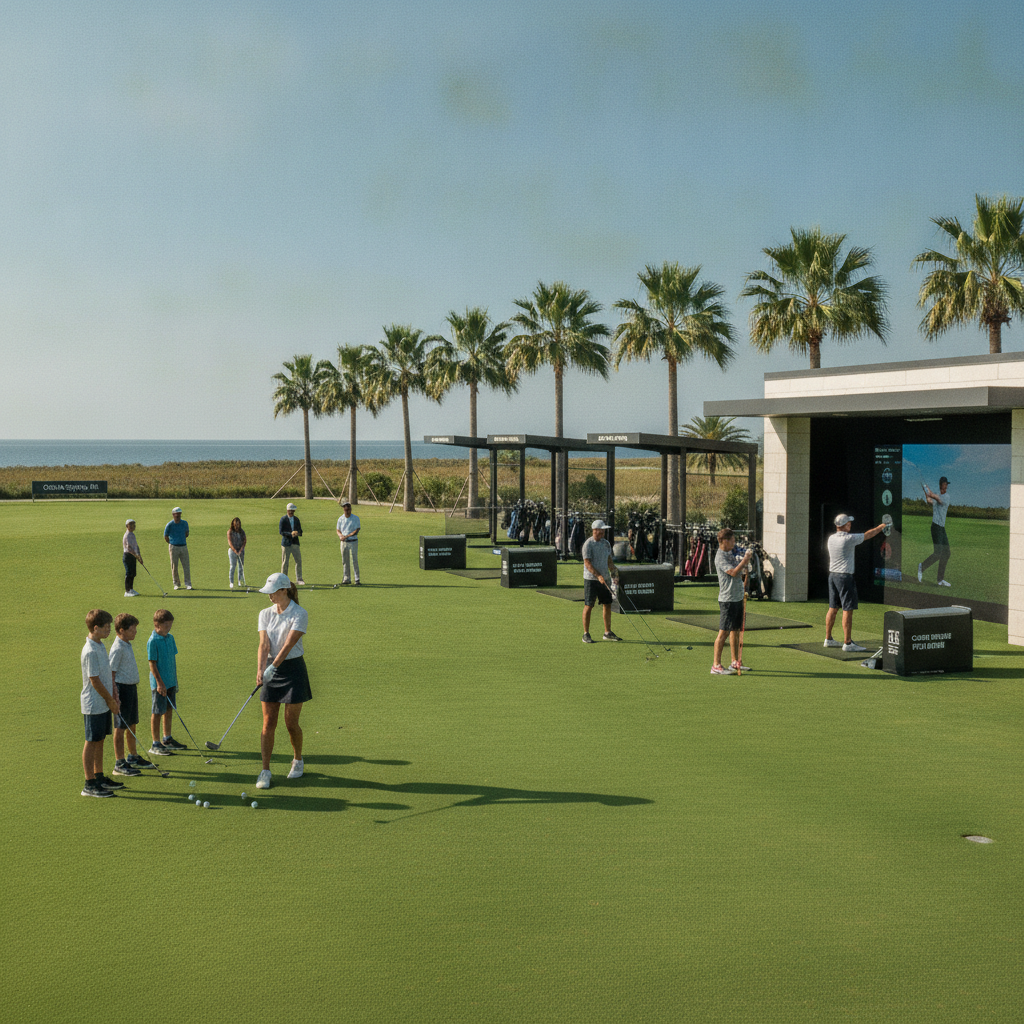

Choosing the right time and location is essential for refining your golf game. Best Golf Schools offers an ideal setting for improvement by providing access to premier Resort, courses and experienced PGA instruction at nationwide locations year-round.
We cater to all skill levels—including beginners, competitive players, seniors, and couples—with structured programs ranging from two to five days. Our curriculum allows golfers to train consistently, build muscle memory, and apply new techniques in real playing conditions.
Whether you are looking for steady progress or a more engaging way to experience the game, our team is here to help you reach your goals.
Corporate Headquarters
Call

Useful Links