TODAY'S STEALS AND DEALS - EXCHANGE RATE EQUALIZER
FOR CANADIAN GOLFERS -
SAVE 20% ON ALL 2026 & 2027 GOLF SCHOOL VACATIONS!

TODAY'S STEALS AND DEALS - EXCHANGE RATE EQUALIZER
FOR CANADIAN GOLFERS -
SAVE 20% ON ALL 2026 & 2027 GOLF SCHOOL VACATIONS!
The most common question among parents and students is what makes golf boarding programs different from day academies or local teams. These schools combine an organized educational program and day-to-day training in golf within a home environment. Academic students reside on campus and this enables them to manage time and remain focused.
The place encourages order and routine without being strict. The best golf boarding schools in the USA give the same consideration to classroom learning and course improvement.
This is a balance that enables students to develop without getting tired. The coaches and the faculty collaborate to ensure that the schedules are arranged in a manner that does not interfere with studies due to travel and tournaments.
The outcome is a smooth flow in which students can train and study meaningfully. This model is appropriate to players who value consistency and accountability with a long term goal both in golf and education.
Good scholars continue to be one of the main factors in school selection. Golf boarding schools model their curricula in such ways that they challenge the students and are also flexible in seasons where games are held. Classes remain small, which gives teachers an opportunity to monitor progress and modify support. There are several schools that provide study halls during the night to enable students to remain updated.
Such a structure will minimize stress and develop confidence. Learners are taught to plan assignments based on practice and traveling. Other ways in which schools can direct students is through standardized testing and college preparation. This is important as families would want to know that golf training does not restrict the academic choices.
The finest programs provide access to the best colleges through high standards. Whether a student proceeds with golf professionally or not, he or she graduates ready to enter into higher education.
Coaching creates a permanent impact in the development of the players. Best boarding schools spend on senior teachers who are aware of junior development and competitive channels. Coaches concentrate on basics, course management, psychological toughness and fitness.
The training plans remain individualized in order to ensure that every student excels at the desired rate. Infrastructure also makes a significant contribution. A lot of campuses are equipped with practice ranges, short game areas, putting greens and championship accessibility of courses. The training in bad weather is supported with the help of indoor spaces.
Swings and performance trends can be tracked with the aid of technology. Such resources enable the players to practice with purpose rather than with repetition. Through proper coordination of coaches and facilities, there is a gradual improvement and the students develop habits that can be continued after school.
Life in college makes a difference on more than just golf abilities. Boarding schools stress on responsibility, character and teamwork. Respect and independence is taught when one lives with peers. The students get to master some habits such as getting up early, maintaining the equipment and socializing. The habits result in maturity within the course and outside the course. Schools to promote participation in clubs, arts as well as service projects.
This wide exposure keeps students down to earth and socially assured. Mentorship and guidance are done by coaches and dorm staff. An encouraging atmosphere will enable the students to manage both defeats and victories in a dignified manner. With time, the players gain resiliency and leadership that are needed in competitive golf and further careers.
When selecting a school, one has to be a careful planner. Academic records, golf experience and personal objectives are looked at by admissions teams. The family needs to take into account the size of classes, campus culture, and support services. Campus visits assist students in imagining the day to day expectations and life.
Golf abilities are manifested in schools with the help of videos or trial sessions. This is to get a good fit between the player and the program. The issue of financial planning is also important. A lot of schools provide information on tuition and scholarships. Effective communication at the admissions forms trust and understanding.
When families make a wise selection, students adapt at a more rapid pace and succeed in academics as well as in the golf training activities.
Parents usually emphasize on post graduation outcomes. Golf boarding schools have good records of college placements. Counselors assist in networking students with college coaches and create recruitment profiles. This is facilitated by tournament exposure and performance tracking.
Students who do not even play college golf receive the discipline and education. The alumni tend to excel in business, sports management among others. Boarding life comes with a long lasting impression on its organization and mentorship. Graduates are perpetuating good work ethics and goals. This is a long term value that would make the investment worthwhile to the families that want growth other than the short time gains.
The selection of the school determines the future of a young golfer. The best golf boarding schools in the USA are not only training schools. They provide sanity, direction and chance. The families working with Best Golf Schools obtain clear vision and recommendations. The platform matches the parents with programs that can meet the academic requirements, levels of skills and personal ambitions.
Families can be comfortable making decisions under the guidance of experts and the quality of information. Best Golf Schools assists students to locate settings in which they can fear and desire to compete and win. The right decision to make now creates a great base to be made tomorrow.
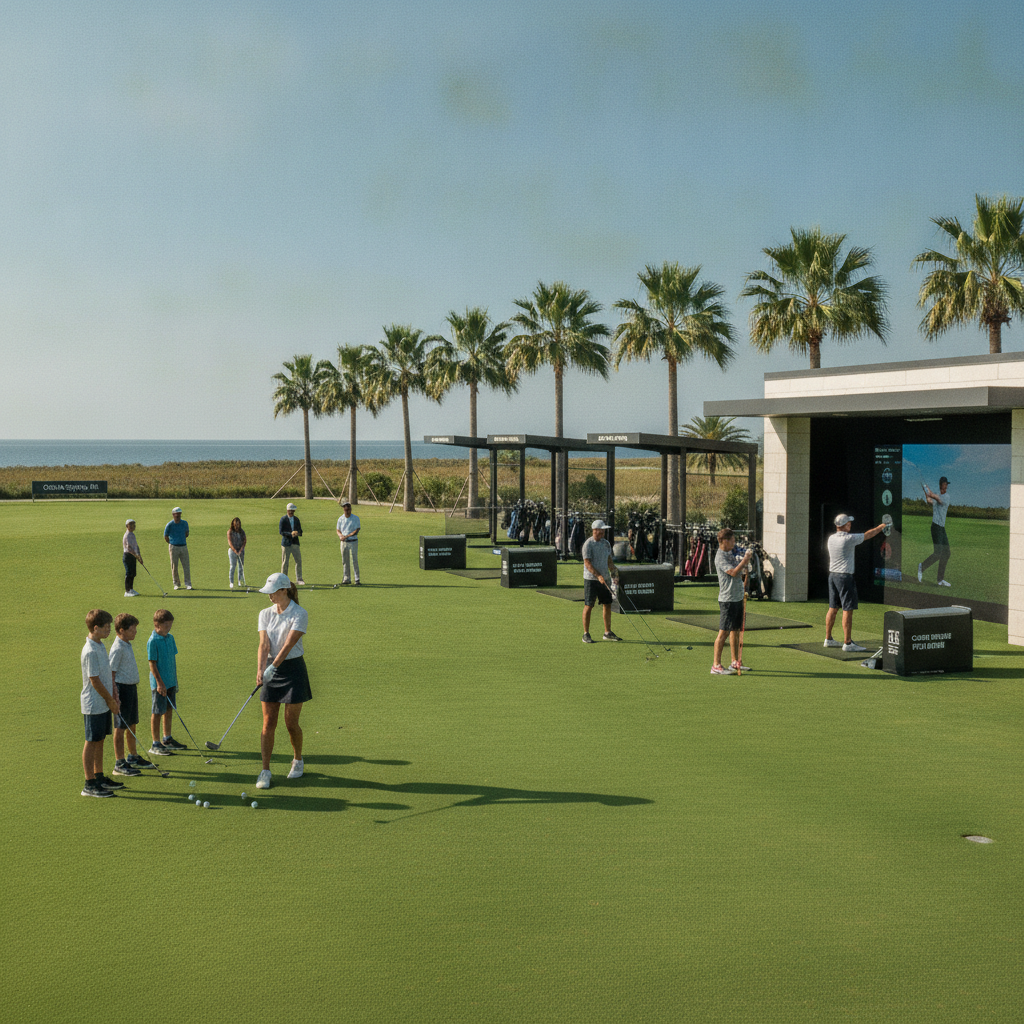

Choosing the right time and location is essential for refining your golf game. Best Golf Schools offers an ideal setting for improvement by providing access to premier Resort, courses and experienced PGA instruction at nationwide locations year-round.
We cater to all skill levels—including beginners, competitive players, seniors, and couples—with structured programs ranging from two to five days. Our curriculum allows golfers to train consistently, build muscle memory, and apply new techniques in real playing conditions.
Whether you are looking for steady progress or a more engaging way to experience the game, our team is here to help you reach your goals.
Corporate Headquarters
Call
Useful Links