TODAY'S STEALS AND DEALS - EXCHANGE RATE EQUALIZER
FOR CANADIAN GOLFERS -
SAVE 20% ON ALL 2026 & 2027 GOLF SCHOOL VACATIONS!
TODAY'S STEALS AND DEALS - EXCHANGE RATE EQUALIZER
FOR CANADIAN GOLFERS -
SAVE 20% ON ALL 2026 & 2027 GOLF SCHOOL VACATIONS!
One of the clubs that is used in golf is the putter. Many players take a lot of time working on the swing. They lose the idea that putting can make the difference in the end. A good putter provides you with control, better strokes and confidence on the green. You can feel every swing of the putter in your hands, and it becomes more natural and more consistent.
According to professional coaches the one thing that is very important is that one has the right putter. In the golf schools they have in California they begin by instructing you in the elementary things such as how to hold the club, how to stand and which putter to use. The first stage in developing a good putting routine to enable you to play better in the course is the selection of the putter.
To choose a putter you need to know how it works. A putter is not meant for hitting the ball it is meant for rolling it smoothly across the green. The length, the head design and the weight of the putter all affect how the ball moves.
Many training programs teach you these basics at the beginning. Coaches at golf schools in California show you how different putters work so you can feel the difference. This hands-on approach helps you understand how the design of the putter affects control and accuracy.
The length of the putter is important for your posture and balance. If the putter is too long you might stand upright. If it is too short you might bend much. Both ways can affect how consistent your stroke is and how well you aim. A comfortable length lets you stand naturally and keep your eyes close to the line of the ball.
Instructors usually measure your posture and arm position before they recommend a length. Many beginners find that a small change can make their putting better. At golf schools they often have sessions where you can try out lengths until you find one that feels stable and comfortable.
Putter heads come in shapes. There are two types: blade and mallet designs. A blade putter is narrow and classic. It is good for players who like a feel. It gives control to golfers who already have a steady stroke.
A mallet design is bigger and more balanced. This style helps players who want stability when they stroke. Coaches often let students try both designs before they decide. Many golf schools encourage you to practice with head shapes so you can find out which one works best for your natural motion.
How the weight is distributed in the putter affects how it moves when you stroke. Some putters are heavier at the head while others have the weight spread out. A balanced design helps you keep your stroke smooth and steady.
When you find the weight you will notice that your rhythm gets better. When the putter is balanced it moves without changes in speed. Coaches at golf schools show their students how different weights affect the roll of the ball. This helps golfers choose equipment that supports a controlled and repeatable stroke.
The grip style is also to be considered when picking a putter. What makes the club connect to you is the grip hence comfort and stability are of utmost essential. Other grips are thin and hard whereas some are thicker and softer. The right hand grip makes the hand movement less when you stroke.
Most of the instructors suggest players experiment with the grip size before deciding on the final one. They tend to educate you on the position of hands and the pressure of grips in golf schools. Once the grip has become natural one is able to concentrate on direction and speed instead of struggling to control.
A putter can be tested on a practice green. Putting on varying lengths will give you an idea of how the club will act in real life situations. Here you have the direction and speed so easily under your control.
Practice sessions give you feedback. Coaches at golf schools usually recommend trying out a few putters before you choose one. This process helps you understand how each design behaves during play and builds confidence in your final choice.
Confidence is a part of success. When you trust your equipment you can focus on reading the green and making a stroke. A comfortable putter reduces hesitation. Supports a steady rhythm every time you try.
Training environments often focus on building confidence through practice and using the equipment. Many golfers who attend golf schools in California find that choosing the putter makes practice more productive. Over time this confidence translates into performance during actual rounds.
Choosing the putter is important for any golfer who wants to improve their score and consistency. Things like length, head design, grip comfort and balance all affect how the club performs on the green. Taking the time to understand these details helps you choose equipment that supports your style and stroke.
Guidance from instructors can make this process easier. Training programs and coaching sessions offered through Best Golf Schools provide insights that help you make informed choices. With the putter and proper instruction you can develop stronger skills, enjoy practice sessions more and approach every round with greater confidence.
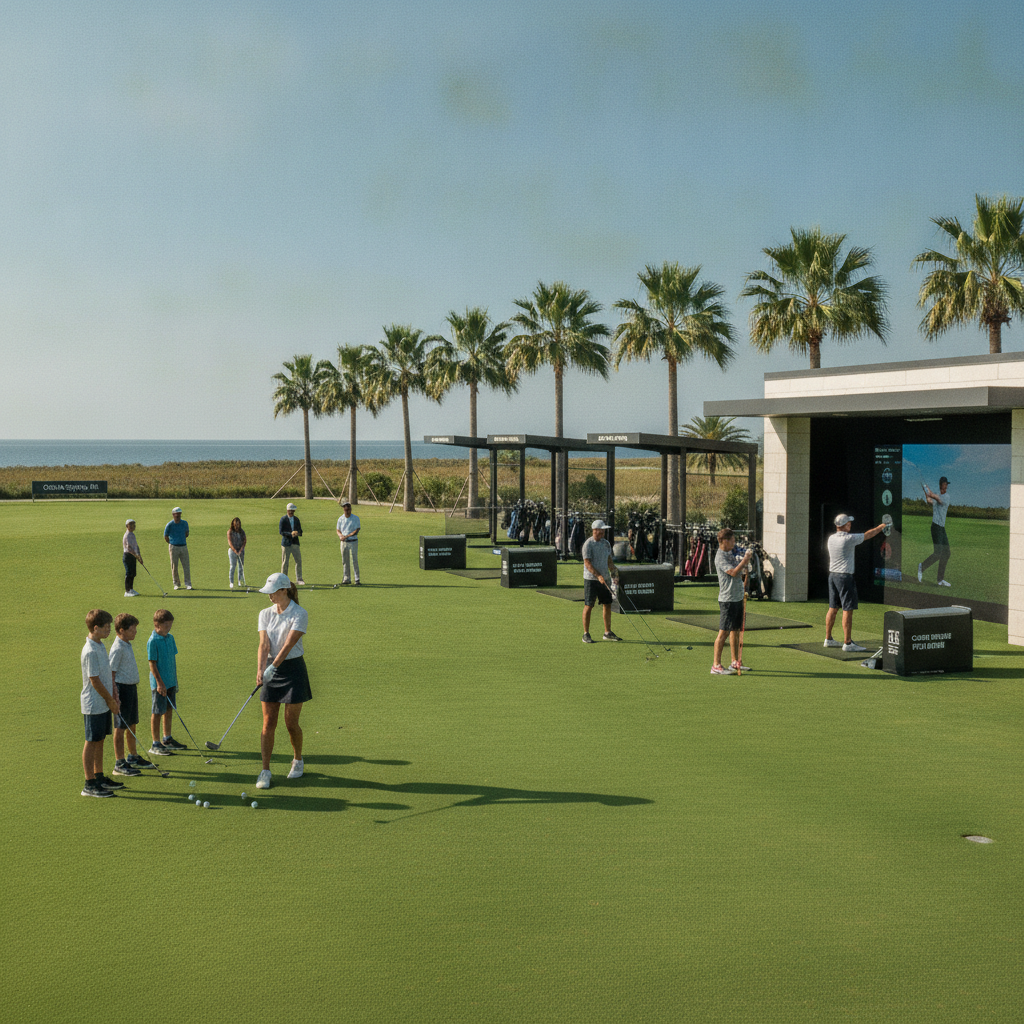

Choosing the right time and location is essential for refining your golf game. Best Golf Schools offers an ideal setting for improvement by providing access to premier Resort, courses and experienced PGA instruction at nationwide locations year-round.
We cater to all skill levels—including beginners, competitive players, seniors, and couples—with structured programs ranging from two to five days. Our curriculum allows golfers to train consistently, build muscle memory, and apply new techniques in real playing conditions.
Whether you are looking for steady progress or a more engaging way to experience the game, our team is here to help you reach your goals.
Corporate Headquarters
Call

Useful Links